
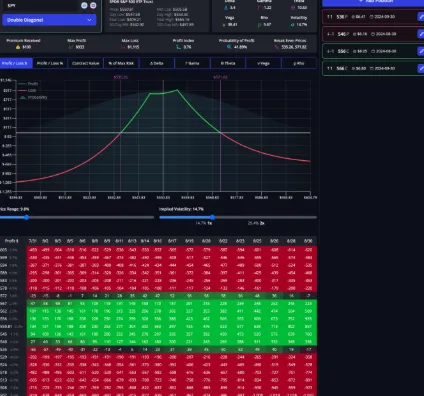

Options can magnify gains, but they can also produce losses that surprise newcomers. Unlike simple share purchases, an option’s value changes with price, time, and volatility all at once. That complexity is exactly why experienced traders estimate their possible outcomes before risking any capital. An option profit calculator turns confusing formulas into a clear picture of potential profit, loss, and break-even levels. This article explains the inputs that matter, how to interpret the results, and how disciplined estimation can improve your decisions without pretending to predict the future.
Why Options Need Extra Planning
Options are contracts with expiry dates, so time works against buyers every single day. A share can be held patiently for years, but an option that expires worthless leaves you with nothing. Leverage also means small price changes can produce large percentage swings in either direction. Because of these features, guessing is especially dangerous. Planning your maximum loss, your break-even price, and your realistic profit range beforehand gives you structure, and it prevents emotional decisions when the market moves sharply against you. Careful planning makes complexity manageable.
The Inputs Behind Every Estimate
A reliable estimate begins with accurate inputs. You need the underlying price, the strike price, the expiry date, and the premium paid or received. Implied volatility and interest rates influence theoretical values, and dividends can matter for some contracts. Also include commissions, because they affect small trades more than people expect. If any input is wrong, the output will mislead you with great precision. Take a moment to double-check each figure against your trading screen before drawing conclusions from the result. Accuracy matters more than speed here.
Reading Profit and Loss at Expiry
The simplest view shows profit or loss if you hold the position until expiry. A bought call, for example, breaks even only when the share price rises above the strike plus the premium paid. Below the strike, your loss is capped at the premium. Sellers face a different profile, often earning a limited premium while carrying larger potential risk. Studying this payoff shape before entering any trade helps you understand exactly what you are agreeing to, instead of discovering it later under pressure. Always understand the payoff first.
Testing Scenarios Before You Trade
Good planning means looking beyond the outcome you hope for. Test what happens if the share price rises modestly, stays flat, or drops sharply. Then adjust the date to see how time decay erodes value before expiry. Many calculators let you model changes in volatility as well, which can surprise beginners. Running several scenarios reveals how sensitive your position is to small shifts. If the trade only works under one narrow outcome, that is useful information to have before committing real money. Scenario testing builds realistic expectations.
Connecting Estimates to Wider Stock Trading
Options rarely exist in isolation. Many traders use them alongside shares, either to protect holdings or to express a short-term view. Effective stock trading depends on understanding how each position affects your total exposure. Estimating returns on an option is only one part of that picture. Consider how the trade fits your overall balance, whether it overlaps with positions you already hold, and how much of your capital would be tied up if the market moves against you. Always consider the wider portfolio before opening another trade.
Managing Risk Even With Good Numbers
No estimate removes risk, because markets can gap and assumptions can fail. Size each position so that a full loss would be disappointing but not damaging. Avoid placing a large share of your balance into a single expiry date. Write down your exit rules in advance, including when you would close early to protect remaining value. Review completed trades to compare your estimates with real outcomes. Over time, that honest comparison will improve both your forecasting habits and your discipline. Good records make every future estimate more reliable.
Conclusion
Estimating returns before opening an options position is a mark of disciplined trading. By collecting accurate inputs, studying payoff shapes, testing several scenarios, and sizing positions carefully, you replace hope with preparation. Remember that every calculation depends on assumptions, so no figure should be treated as a promise. Keep records, review your results, and improve gradually. For market tools and learning resources that support careful preparation, explore tradewill.com and make your next decision with a clear understanding of what you stand to gain and lose.
